Search, extraction and consolidation
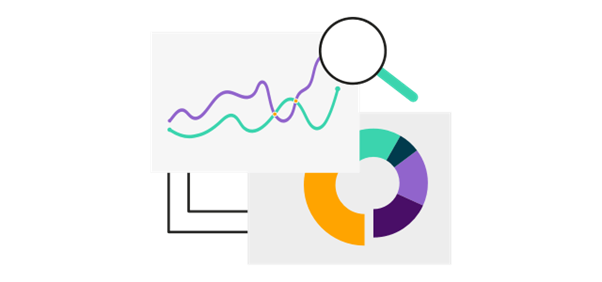
AI-powered pharmacovigilance revolutionizes the monitoring of adverse drug events (ADEs) using advanced natural language processing (NLP) and machine learning (ML). It automates searches across multilingual medical literature, leveraging frameworks like MedDRA for standardized data classification. Users can define parameters or rely on standard dictionaries for precise results. The system extracts and organizes relevant documents into curated lists for expert review, supported by AI-driven prioritization. This collaborative approach enhances efficiency, reduces the risk of missed information, and accelerates decision-making, enabling proactive responses to safety concerns while maintaining compliance with global standards.

Detection, Classification and validation
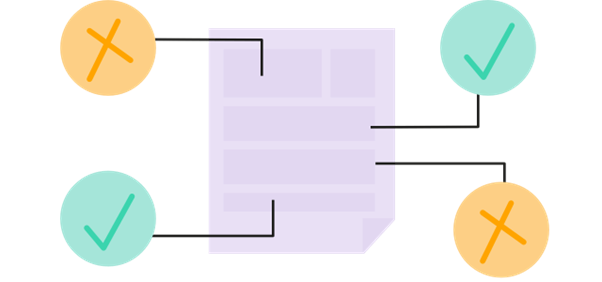
AI-driven pharmacovigilance systems streamline the detection, classification, and validation of adverse events using standardized criteria and advanced algorithms. They identify adverse events based on the minimum reporting criteria—Patient, Report, Event, and Product—and issue alerts for missing or substandard data to maintain integrity. Automated notifications provide timely updates, improving responsiveness and mitigating risks from delayed reporting. Adverse events are classified by seriousness and causality using established methodologies like Naranjo, WHO, and FDA. By automating these evaluations, the system ensures consistent analysis, supporting experts in making informed decisions to enhance patient safety and regulatory compliance.
Tracking, documentation and registration
AI-driven pharmacovigilance systems detect, classify, and validate adverse events using standardized criteria and advanced algorithms. They identify events based on the minimum reporting criteria—Patient, Report, Event, and Product—and issue alerts for missing or substandard data, ensuring integrity. Automated notifications provide timely updates, improving responsiveness and mitigating delays. Classification involves assessing seriousness or severity, while causality is evaluated using algorithms like Naranjo, WHO, and FDA. Automation ensures consistent, unbiased analysis, supporting experts in making informed decisions to enhance patient safety and compliance.